Service model design
Single queue, multi-counter or appointment-assisted models matched to the operation.
CUSTOMER EXPERIENCE
Queue management systems help retailers and service counters organise waiting, route customers and give staff clearer visibility of demand.
SHELTER implements queue solutions as part of the service design of the space — not as a standalone ticket printer.
Displays, tickets, counters, staff workflows and reporting are planned together.
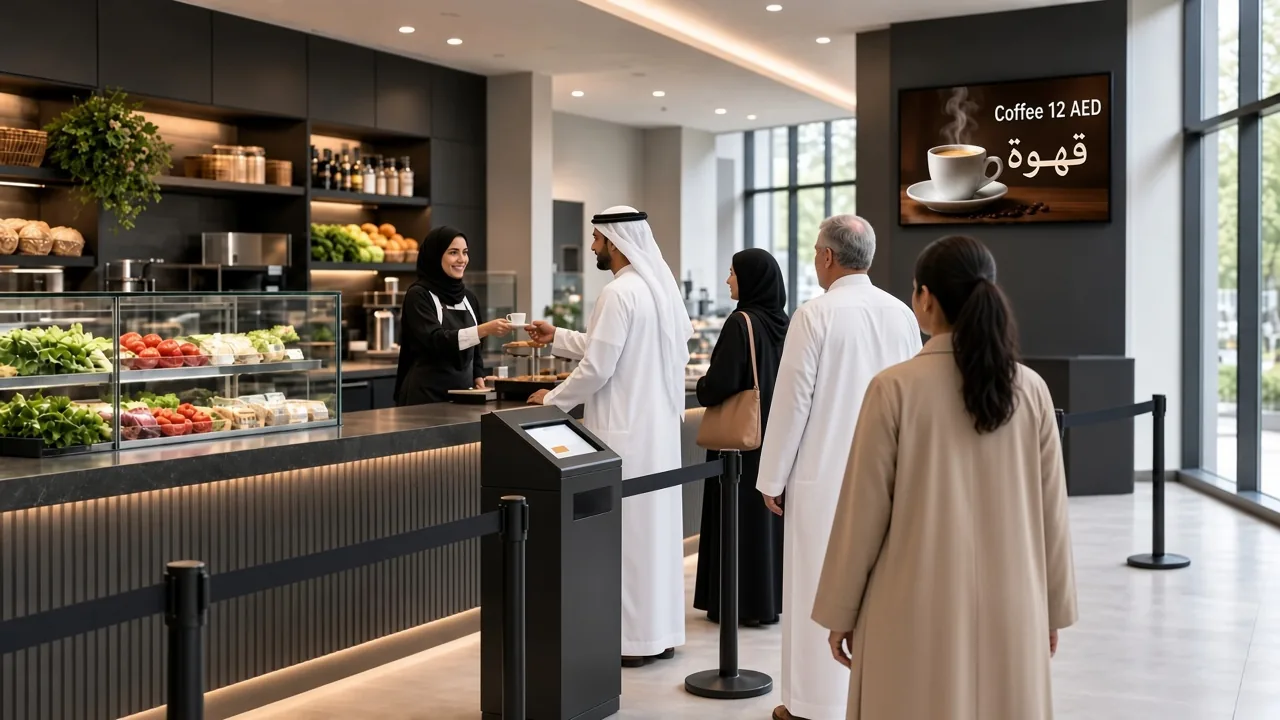
Single queue, multi-counter or appointment-assisted models matched to the operation.
Clear calling and waiting information across counters and waiting zones.
Counter logic and prioritisation that help teams manage peaks calmly.
Waiting and service data that supports staffing and process decisions.
Document counters, ticket types, priorities and peak patterns.
Define hardware, display zones, rules and reporting needs.
Install devices, set workflows and validate with real scenarios.
Prepare staff and adjust rules after opening observations.
No. It is also useful in pharmacies, electronics after-sales, spare-parts counters and other high-touch retail services.
Yes. Priority rules are defined during setup so urgent or specialist services can be handled appropriately.
Not necessarily. Many deployments rely on tickets and displays; mobile options can be considered when they add clear value.
Typical operational views include waiting times, service times and counter load — used to improve staffing and process design.
Open the chat to describe your store, technology need or support request. The AI asks for name, company, email, country, project type and the rest — one question at a time — then sends the brief to SHELTER.

Tell us what you need to open, transform or connect. We will help define the scope, priorities and next step.